
 Image 1 of 1
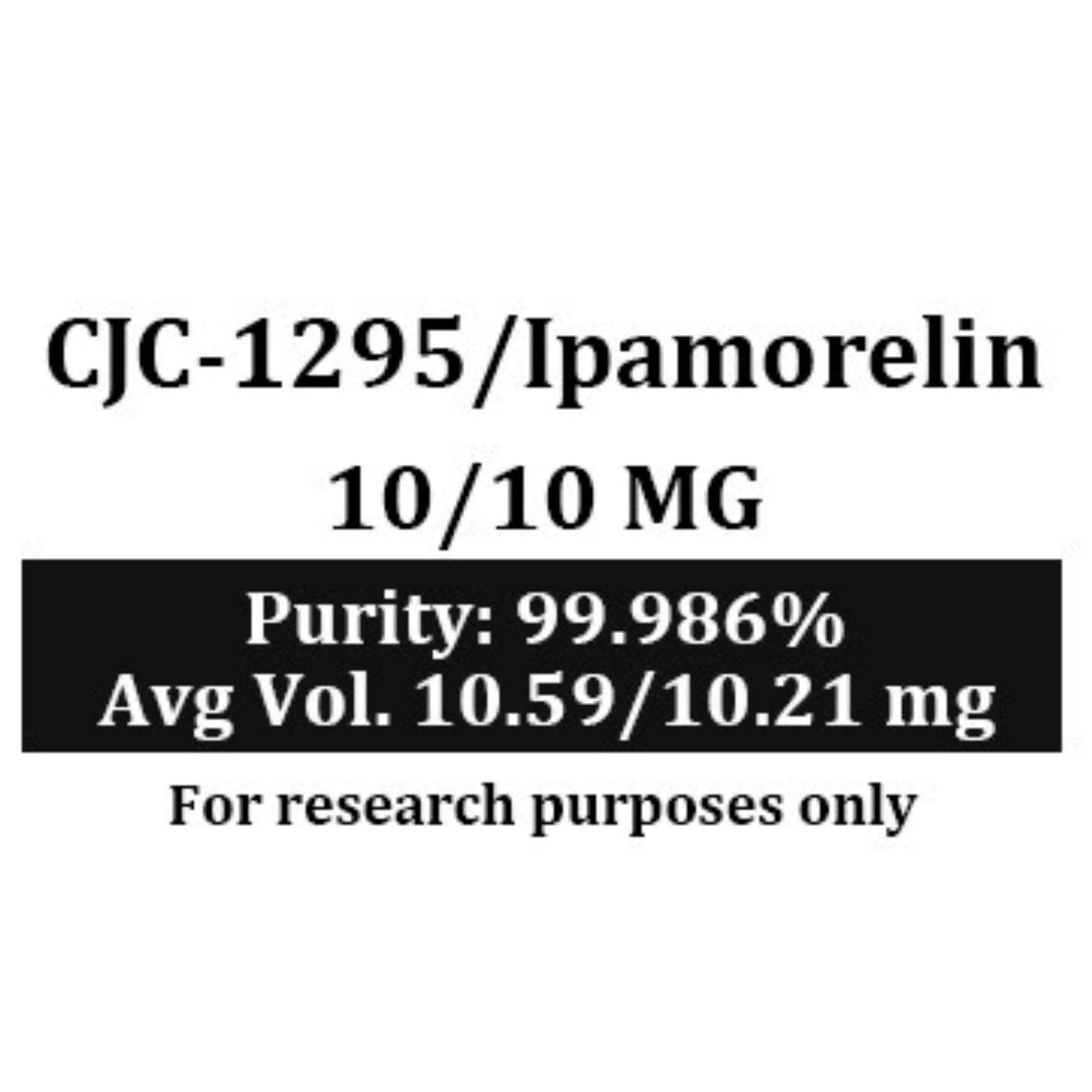
A dual-peptide research blend centered around the biology of growth hormone signaling, pituitary function, hormonal pulsatility, and neuroendocrine communication, combining two compounds that interact with different signaling pathways involved in growth hormone release.
CJC-1295 No DAC, commonly referring to a short-acting modified GRF(1-29), is a GHRH-receptor agonist studied in relation to pituitary growth hormone signaling. Ipamorelin is a growth hormone secretagogue that activates the ghrelin receptor (GHS-R1a). Research involving these pathways explores how GHRH-receptor and ghrelin-receptor signaling participate in growth hormone secretion, pituitary communication, and the GH/IGF-1 axis. Research on either peptide individually does not establish that combining them produces additive or synergistic clinical effects, and neither is an FDA-approved medication.
Research Focus: GHRH Signaling • Ghrelin Receptor (GHS-R1a) • Growth Hormone Physiology • Pituitary Function • GH/IGF-1 Axis • Hormonal Pulsatility • Neuroendocrine Communication
A dual-pathway research-peptide combination for those interested in the science of pituitary signaling, growth hormone physiology, hormonal communication, and the complementary receptor systems involved in the GH/IGF-1 axis.
This information is provided for educational purposes regarding the biological and scientific research associated with the ingredients listed. It is not intended to diagnose, treat, cure, or prevent disease or to provide individualized medical advice.