
Healing & Regenerative Peptides
Peptides Studied in Cellular Repair and Regeneration Research
Cellular repair is a fundamental biological process that allows tissues to recover from injury and maintain structural integrity. Scientists study certain peptides because they may interact with signaling pathways involved in cellular communication and repair mechanisms.
These peptides are often examined in laboratory research exploring how cells respond to damage and how biological systems coordinate repair processes.
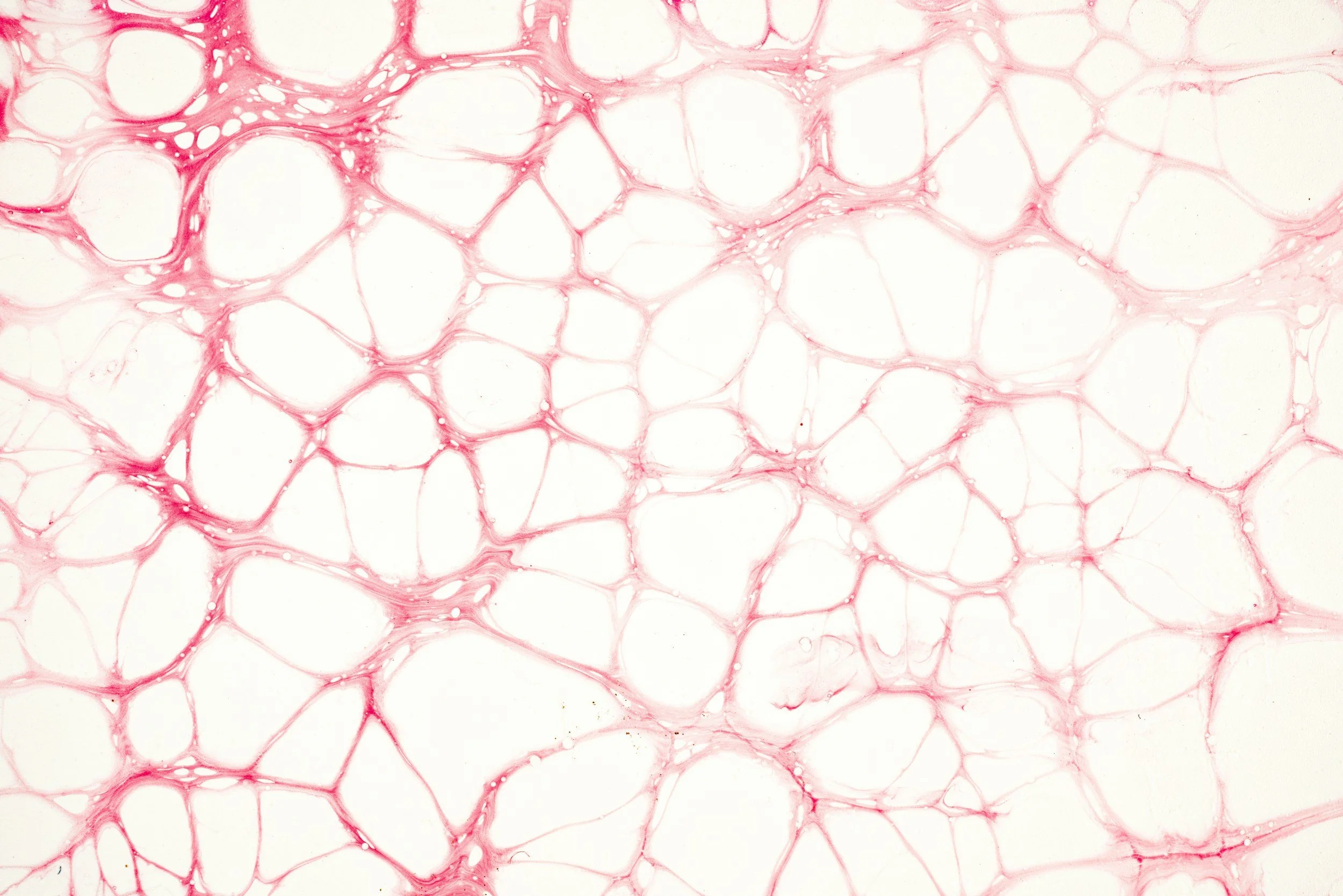
Cellular Communication and Repair
When tissues experience stress or injury, cells release signaling molecules that coordinate repair processes. These signals can influence inflammation, cellular migration, and tissue regeneration.
Researchers study peptides in this area because they may interact with pathways involved in:
• cellular signaling
• tissue regeneration
• inflammatory responses
• vascular signaling
• extracellular matrix support
Understanding these pathways helps scientists learn more about the biology of tissue repair.
Peptides Studied in Regeneration Research
Some peptides that have been explored in laboratory studies include:
• BPC-157
• TB-500
• KPV
• LL-37
• ARA-290
• Humanin
• SS-31
Research continues to examine how these peptides interact with cellular signaling networks involved in repair and regeneration.

Ongoing Areas of Research
Scientists continue to investigate how peptide signaling may influence biological processes related to tissue repair and cellular communication.
These studies help expand scientific understanding of regenerative biology and the complex signaling systems that coordinate healing responses.
Educational Disclaimer
This content is provided for educational purposes regarding scientific research and laboratory studies. The compounds discussed are not offered for sale on this website.